Hilton Cancun And Waldorf Astoria Cancun Are Great Conference Venues In Cancun with Beachfront Access
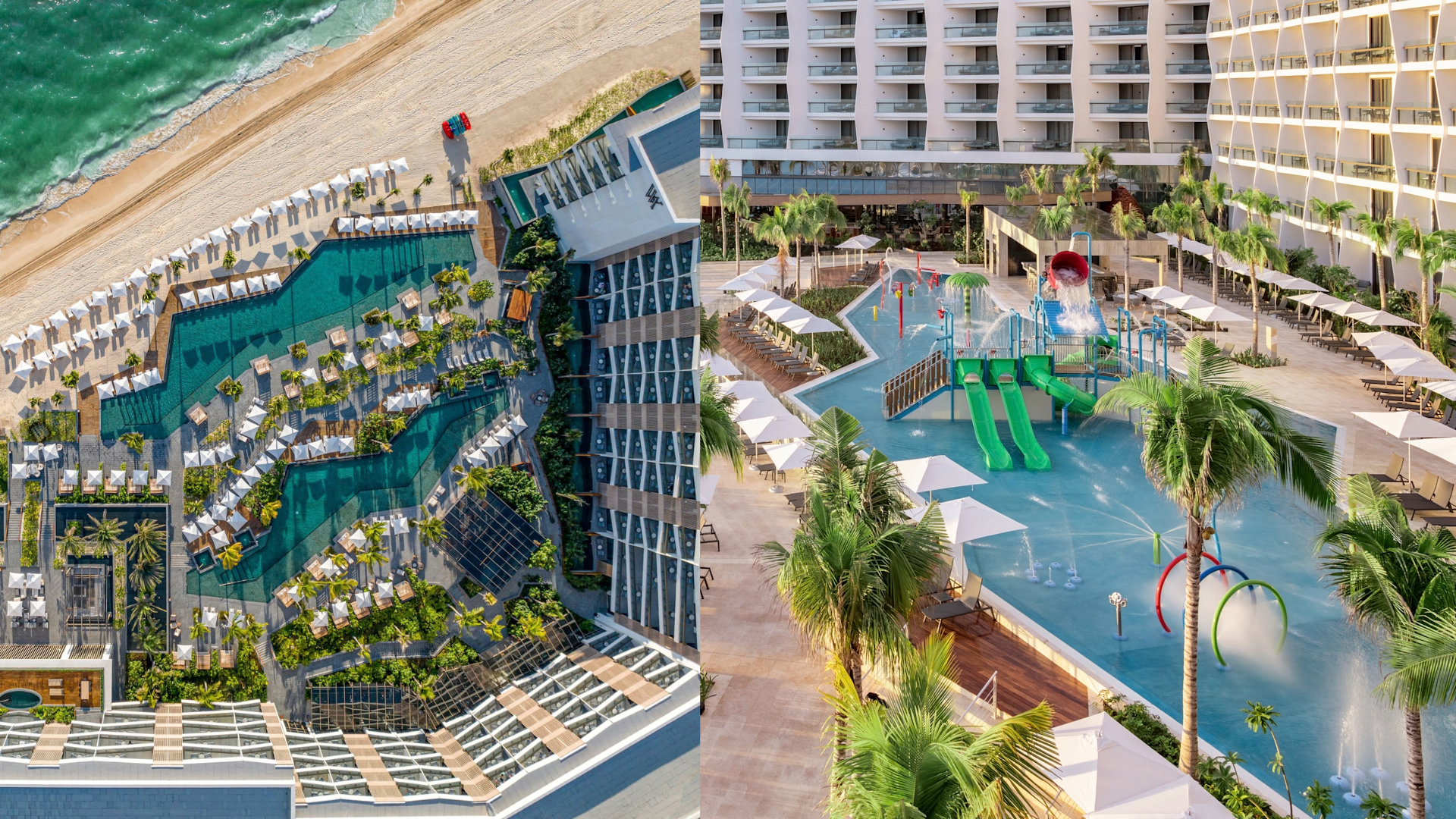
For global MICE planners, the dual-property enclave of Hilton Cancun, an All-Inclusive Resort and Waldorf Astoria Riviera Maya pairs logistics, luxury, and scale in a way that can simplify complex program design. Rather than asking one resort to meet every attendee, executive, and production need, planners can evaluate two distinct hospitality experiences within one coordinated Riviera Maya setting.
That proposition matters when a program must feel elevated without creating unnecessary movement, fragmented operations, or a complicated guest journey. The right fit depends on program goals, room block strategy, meeting requirements, and the level of differentiation required for VIPs.
Why Hilton Cancun and Waldorf Astoria Riviera Maya Work for MICE
The planning advantage starts with choice. Hilton Cancun, an All-Inclusive Resort, can suit organizations seeking an energetic, self-contained environment for broad attendee groups, incentives, and meetings where predictable inclusions support budget management. Waldorf Astoria Riviera Maya presents a more refined option for executive delegations, hosted buyers, board-level gatherings, and recognition experiences where service style and exclusivity carry greater weight.
Together, the properties give planners a way to segment accommodations thoughtfully. A company may place its primary room block at Hilton Cancun while reserving Waldorf Astoria for senior leadership or top performers. An association could use one property as its main attendee base and consider the other for committee functions, private hosted events, or premium extensions.
This is not automatically the best approach for every group. A smaller meeting with one audience and a simple agenda may benefit more from concentrating all guests at a single hotel. The dual-property model becomes more valuable when the program has multiple audience tiers or when planners need scale without treating every guest experience the same.
Build the Event Flow Before Selecting Space
A strong site inspection should begin with the attendee journey, not only the largest ballroom. Review how guests will arrive from Cancún International Airport, check in, access general sessions, transition to meals, and return to their rooms after evening programming. For multiday events, these details affect attendance, production timing, and the overall perception of organization.
Ask the hotel team to map the flow for each key moment: registration, general session, breakouts, hosted meals, receptions, and departures. If programming will use both properties, clarify which transportation routes, wayfinding elements, staffing responsibilities, and security protocols will be required. Proximity is helpful, but operations still need a documented plan.
Meeting space configuration deserves the same discipline. Confirm which functions require dedicated rooms, which can rotate, and where pre-function areas will support registration, networking, sponsor activity, or coffee breaks. Production teams should review loading access, rigging parameters, power requirements, internet capacity, and the timeline for installing scenic elements. A visually impressive setting cannot compensate for an undersized backstage plan.
Use the Two Brands With Purpose
The most effective programs give each property a defined role. For example, Hilton Cancun may support larger general attendance, team-building activities, and more frequent meal functions, while Waldorf Astoria can frame a leadership dinner, incentive recognition event, or high-touch hosted experience.
Avoid dividing events between the hotels simply because both are available. Every split adds communication requirements. If attendees must move between locations, schedules should allow realistic transfer time, and invitations should make the destination, dress code, and arrival expectations unmistakable. The experience should feel intentional, not like a workaround for space constraints.
Questions to Include in the RFP
An RFP for this enclave should request more than guest room rates and meeting rental. Ask for a clear breakdown of available space by date, proposed holds, food and beverage minimums, inclusion details, service charges, resort fees where applicable, and attrition or cancellation terms. If room blocks are divided between the hotels, request separate pickup reporting and a single view of the program budget.
Planners should also ask how cross-property events are staffed and billed. Establish one primary point of contact, define escalation procedures, and confirm whether event technology, transportation, branding, and entertainment partners can work across both environments. These questions are especially important for programs with simultaneous sessions or a compressed setup schedule.
For incentive and executive groups, request curated options rather than generic activity menus. The most memorable additions should align with the group’s timing, energy level, and recognition goals while protecting the agenda from avoidable travel time.
A Smart Fit for Programs That Need Range
Hilton Cancun and Waldorf Astoria Riviera Maya offer a practical sourcing case for planners who need capacity and want to create different levels of guest experience without dispersing the program across a destination. The value is not simply having two brands nearby. It is the ability to align each part of the event with the setting, service level, and audience it requires.
Before committing, build a side-by-side function schedule, rooming strategy, and operational responsibility chart. Mexico Venue Finders can help planners compare this option with other vetted Riviera Maya venues and local service suppliers, so the final RFP is based on a complete view of the program, not just an appealing first impression.